Tokunoshima Island of the Amami Islands
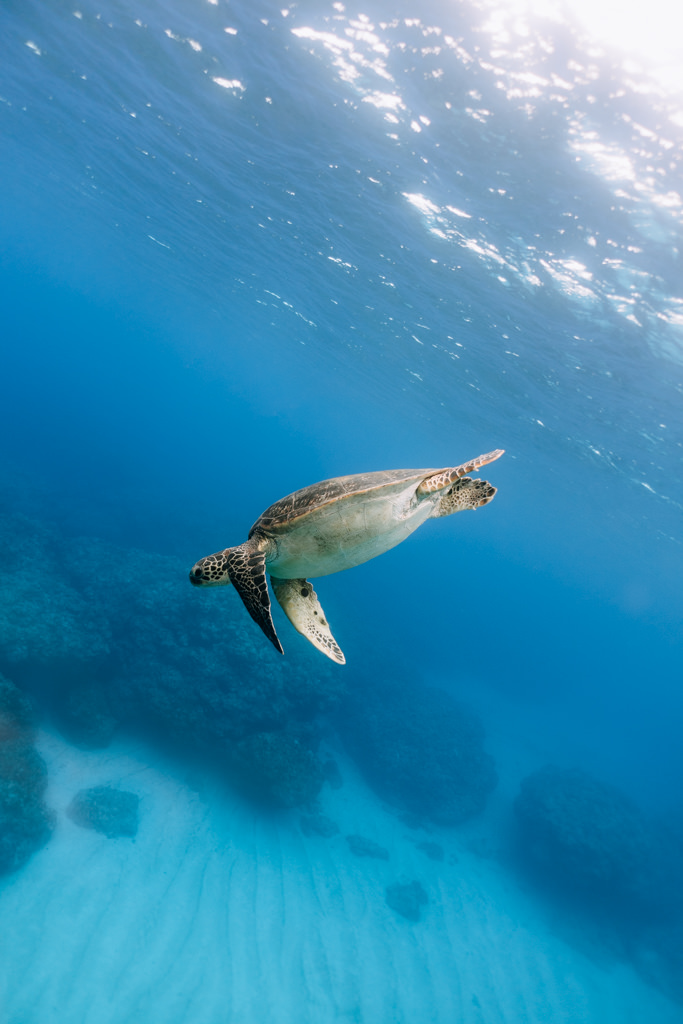
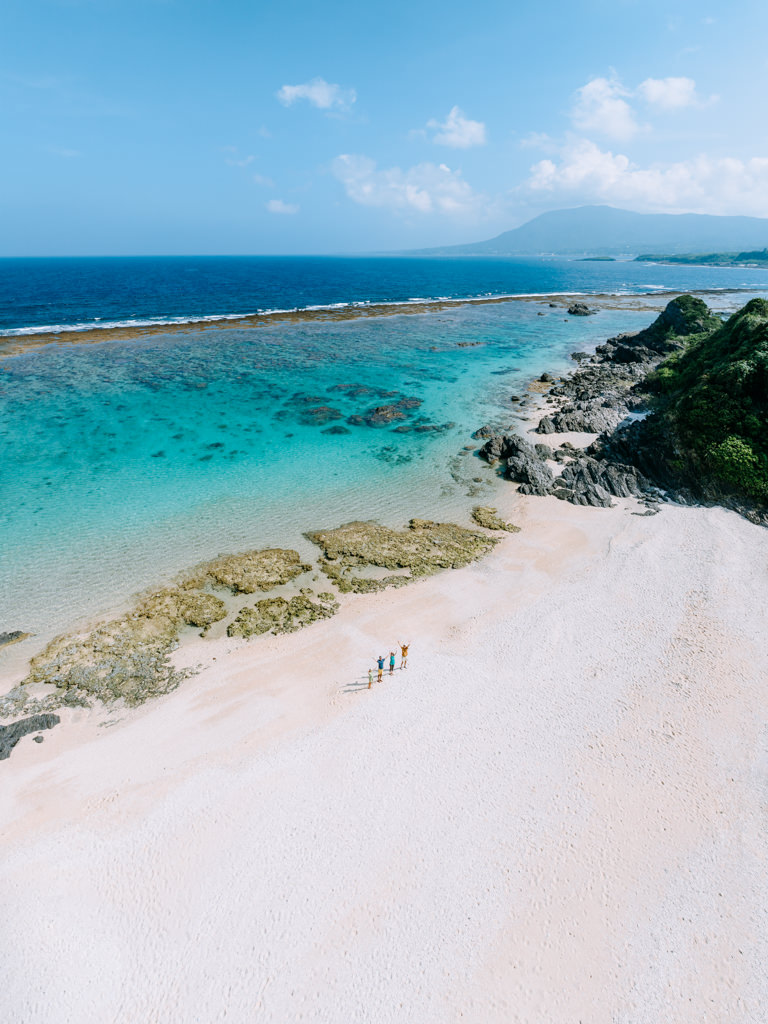
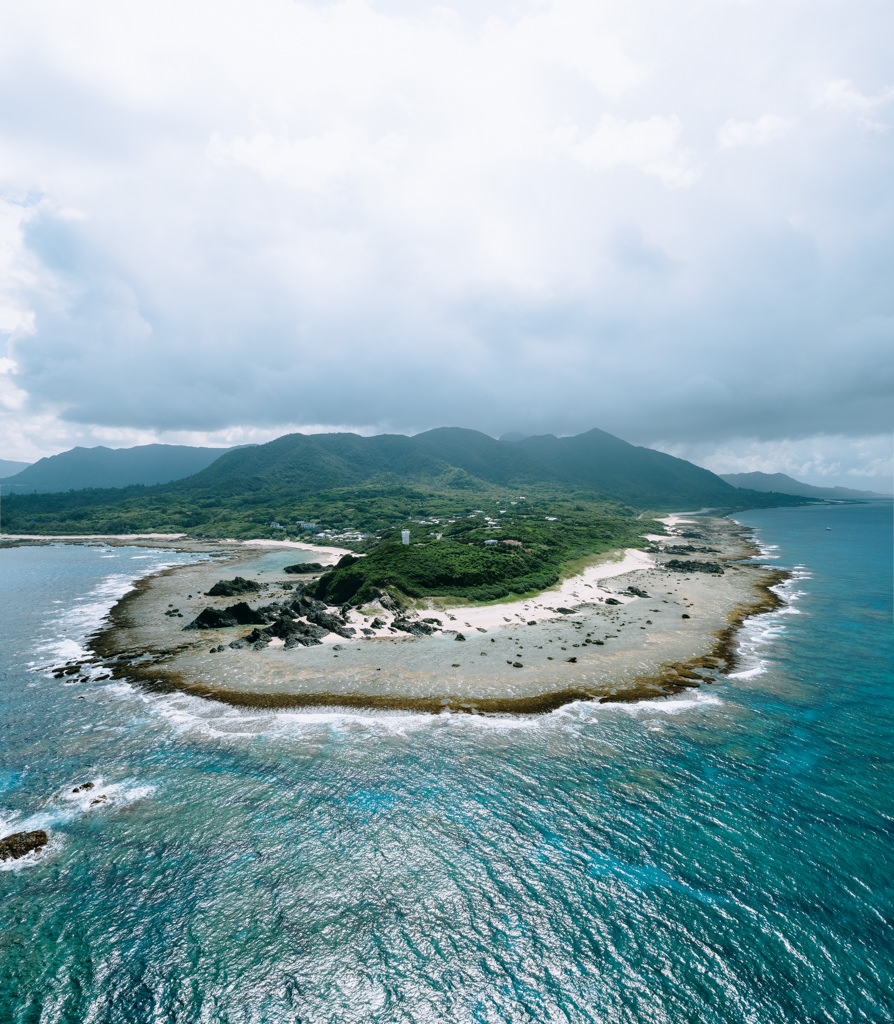
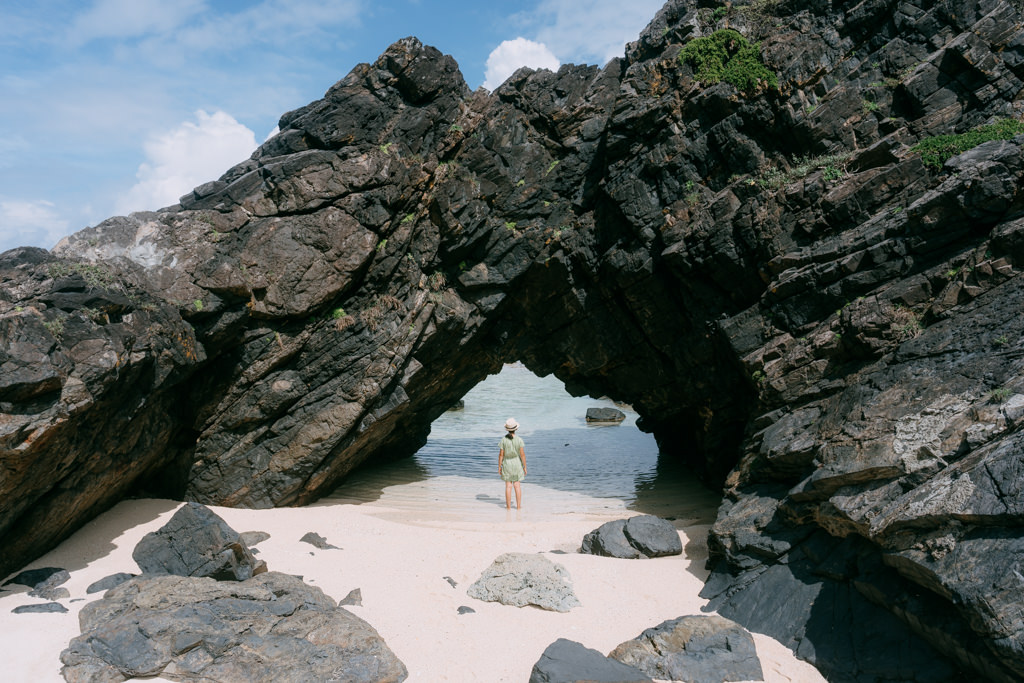
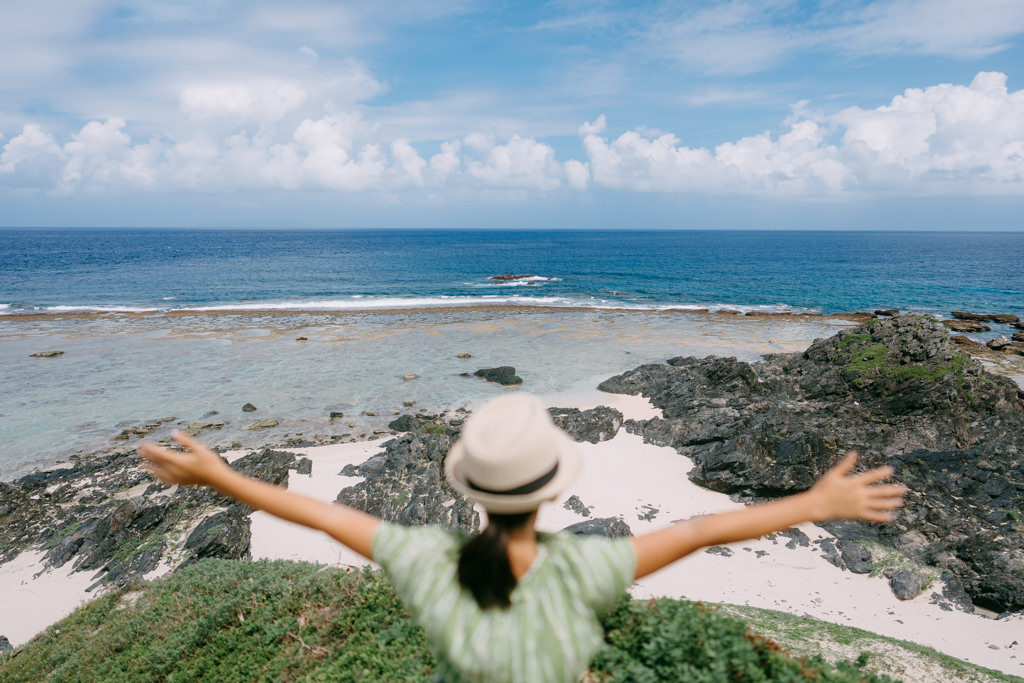
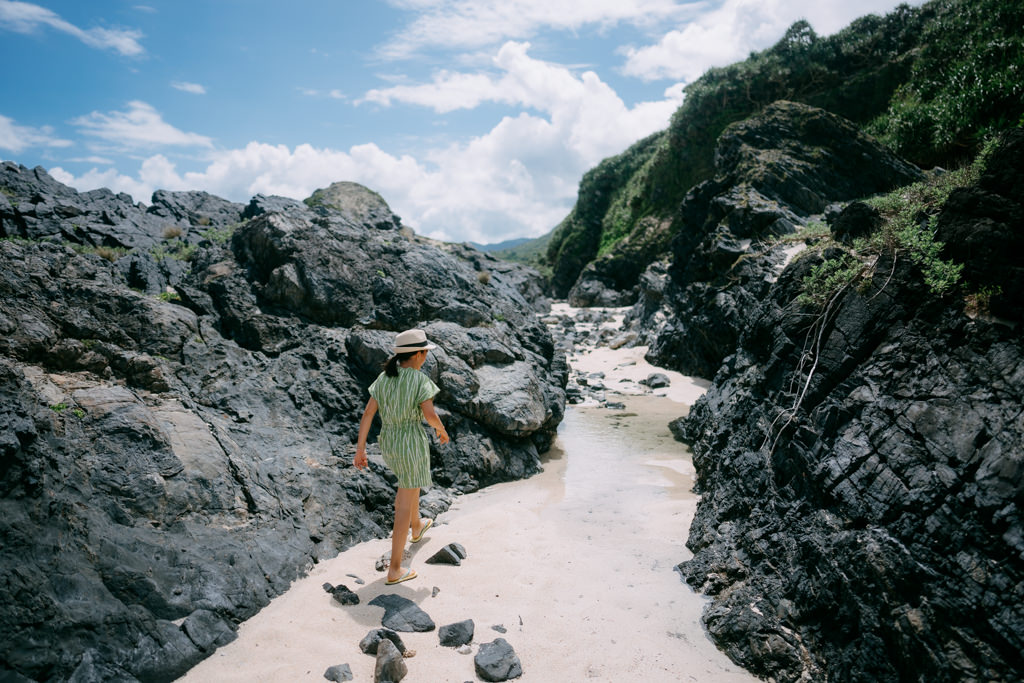
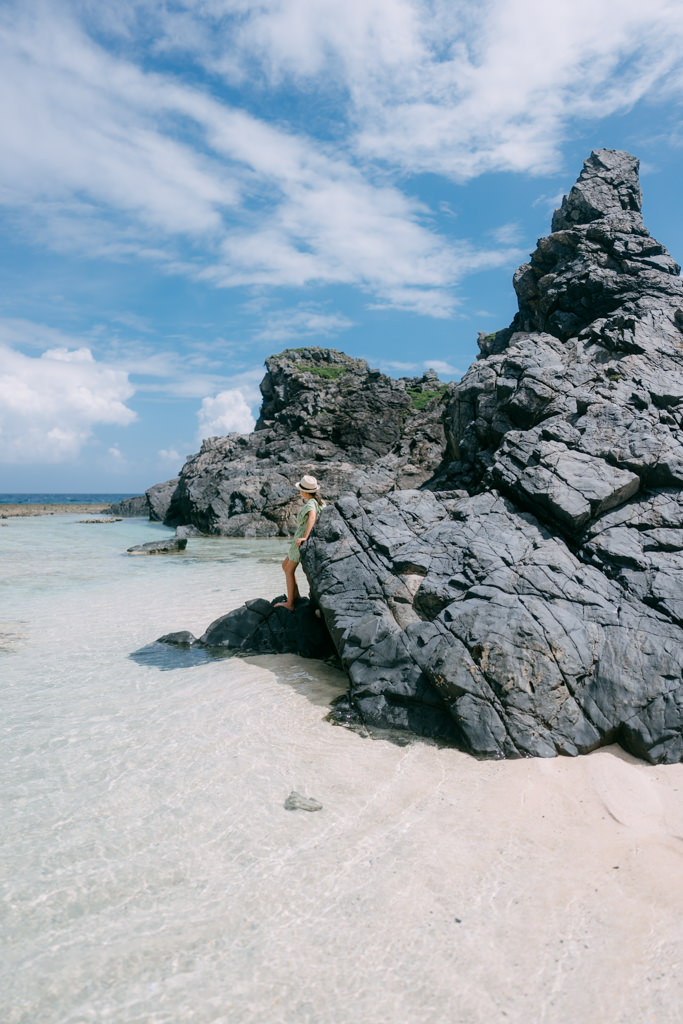
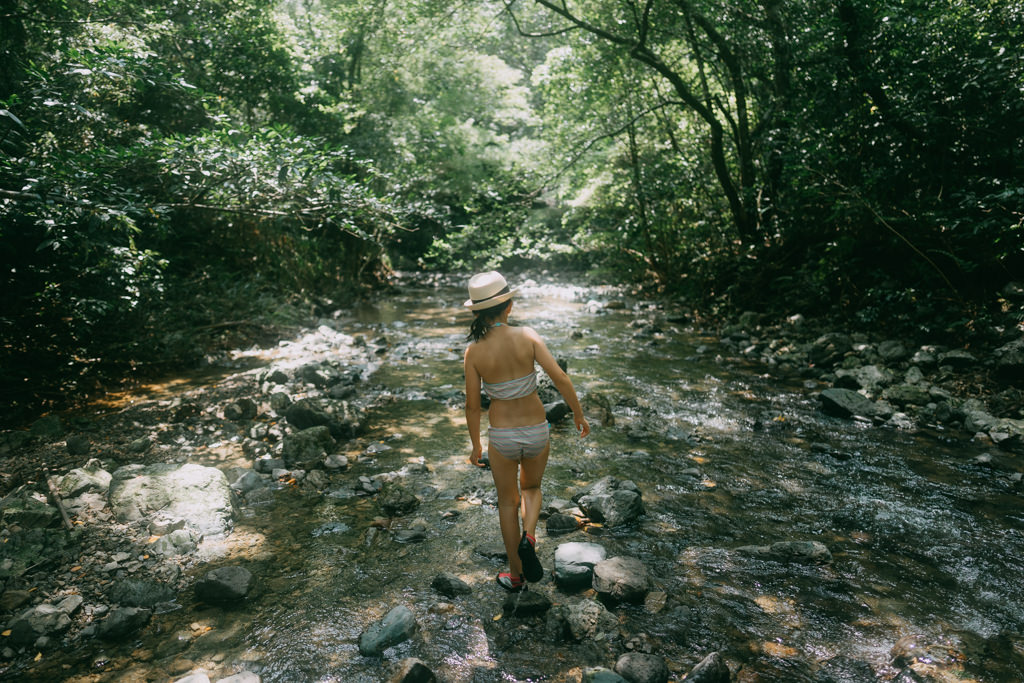
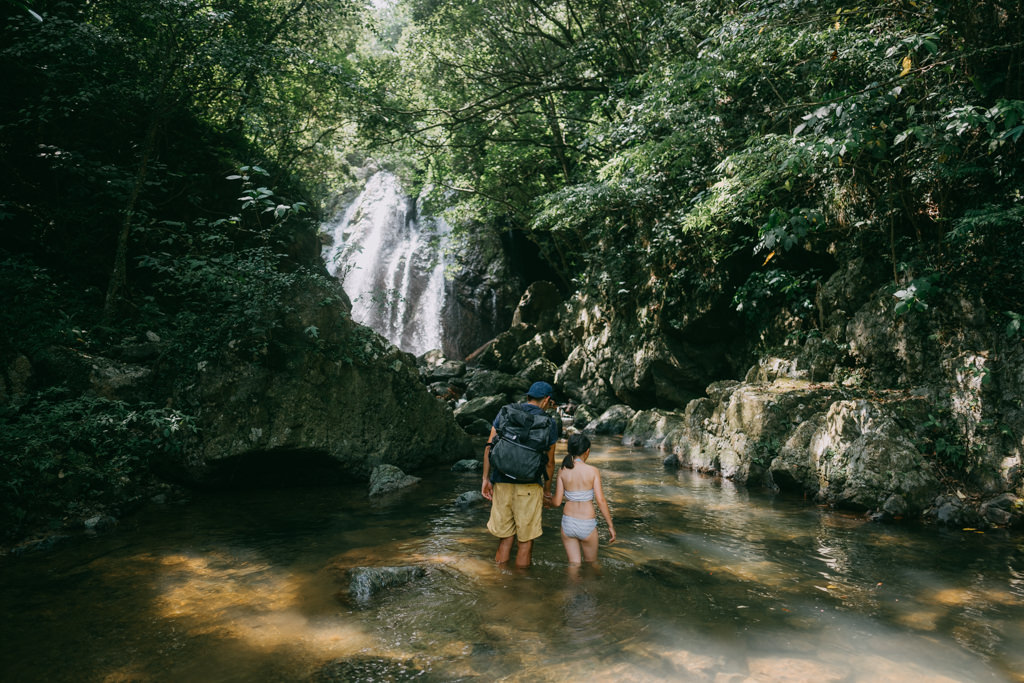
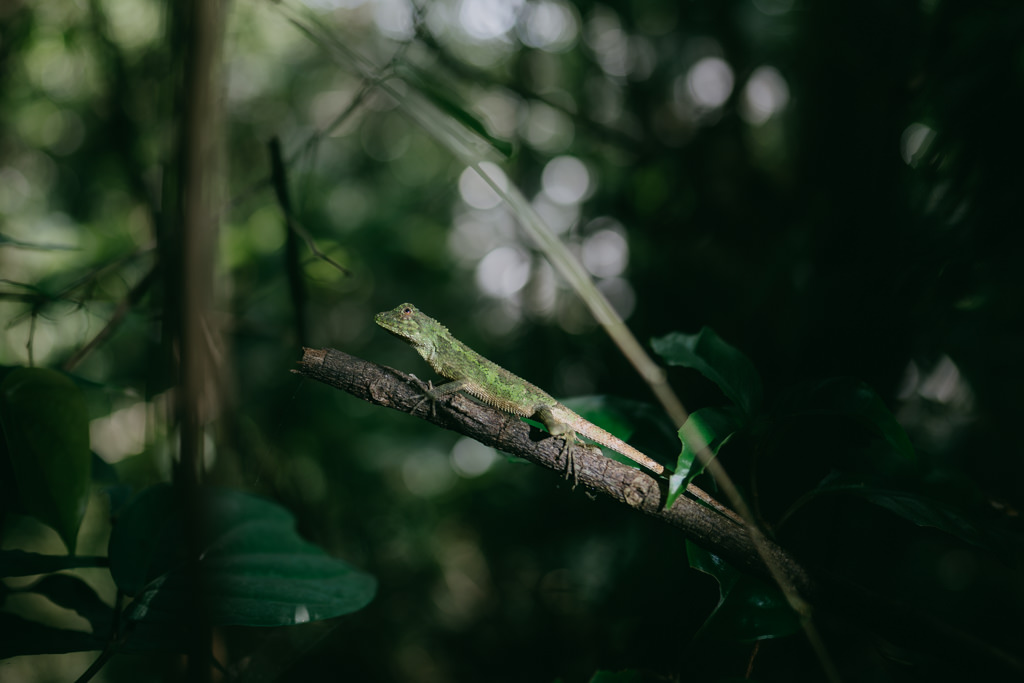
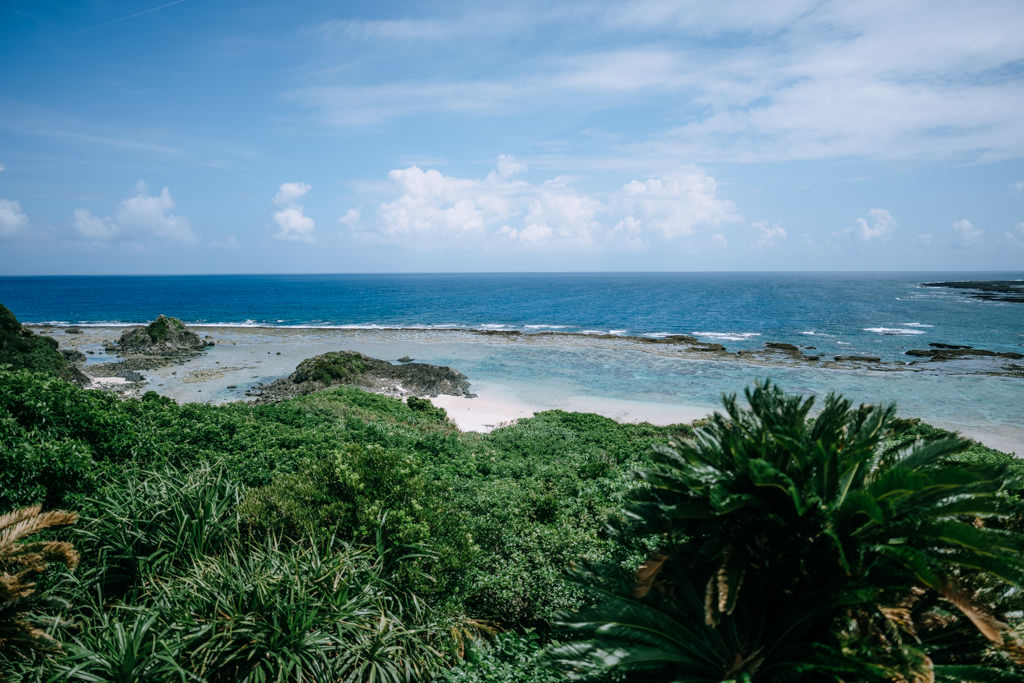
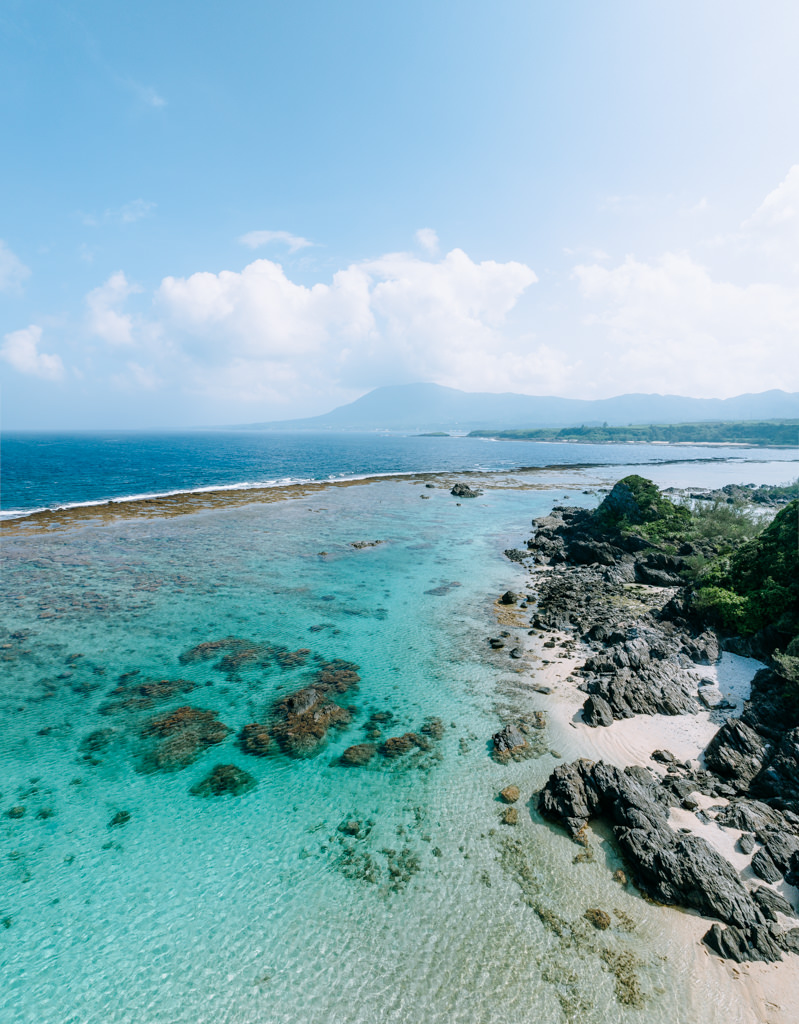
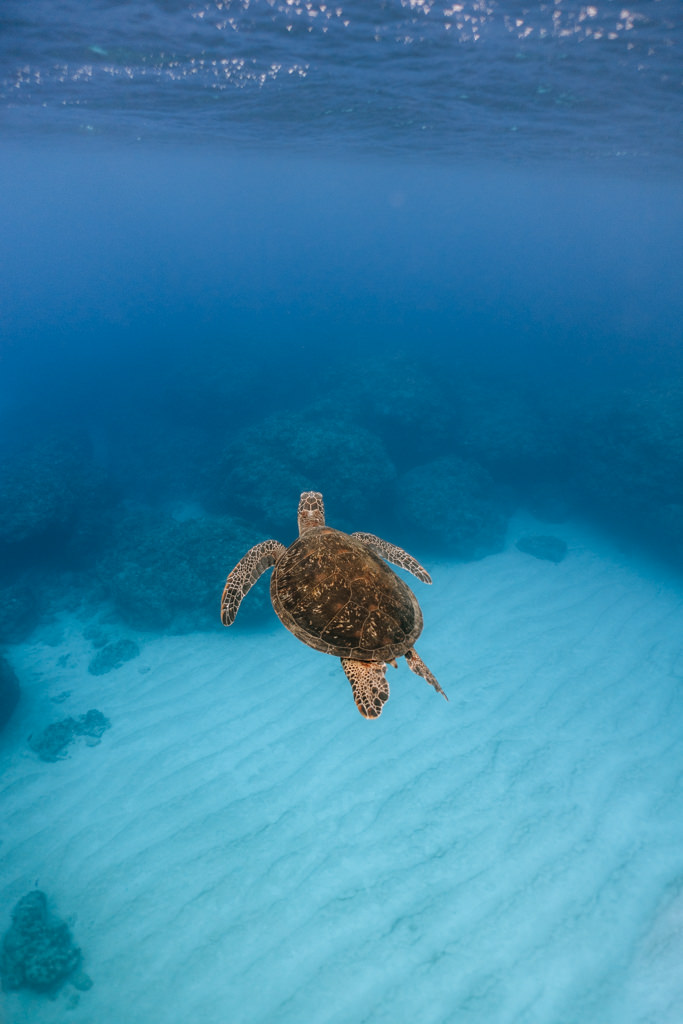
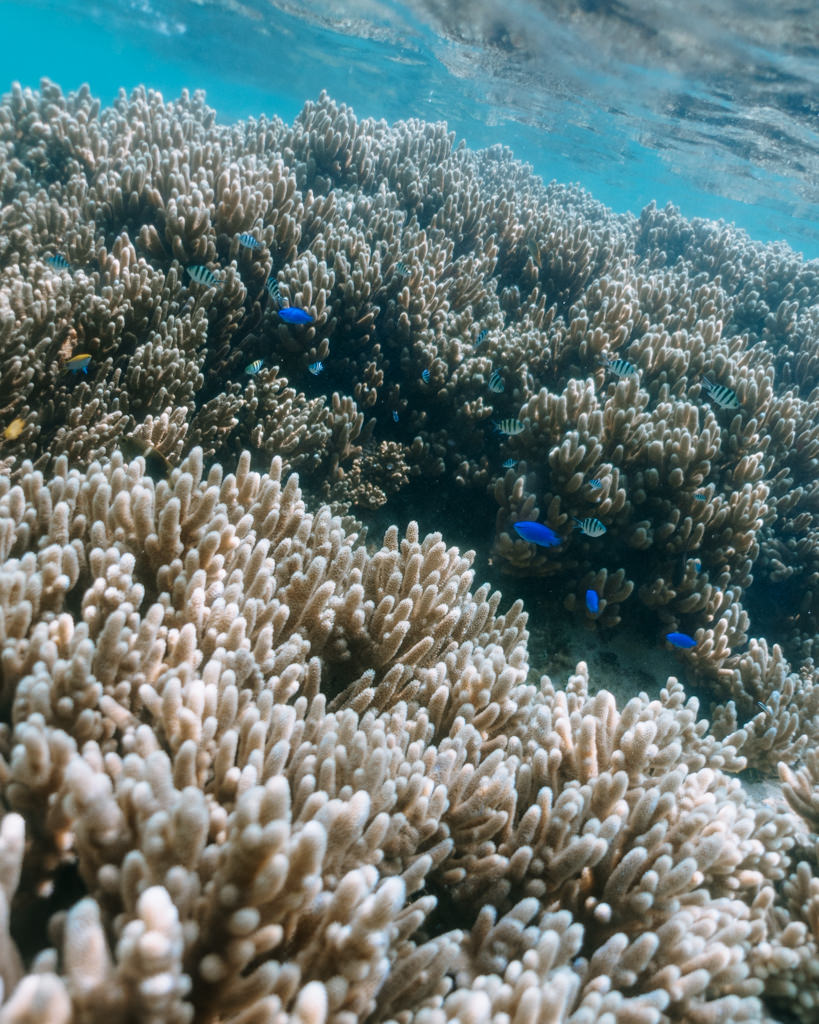
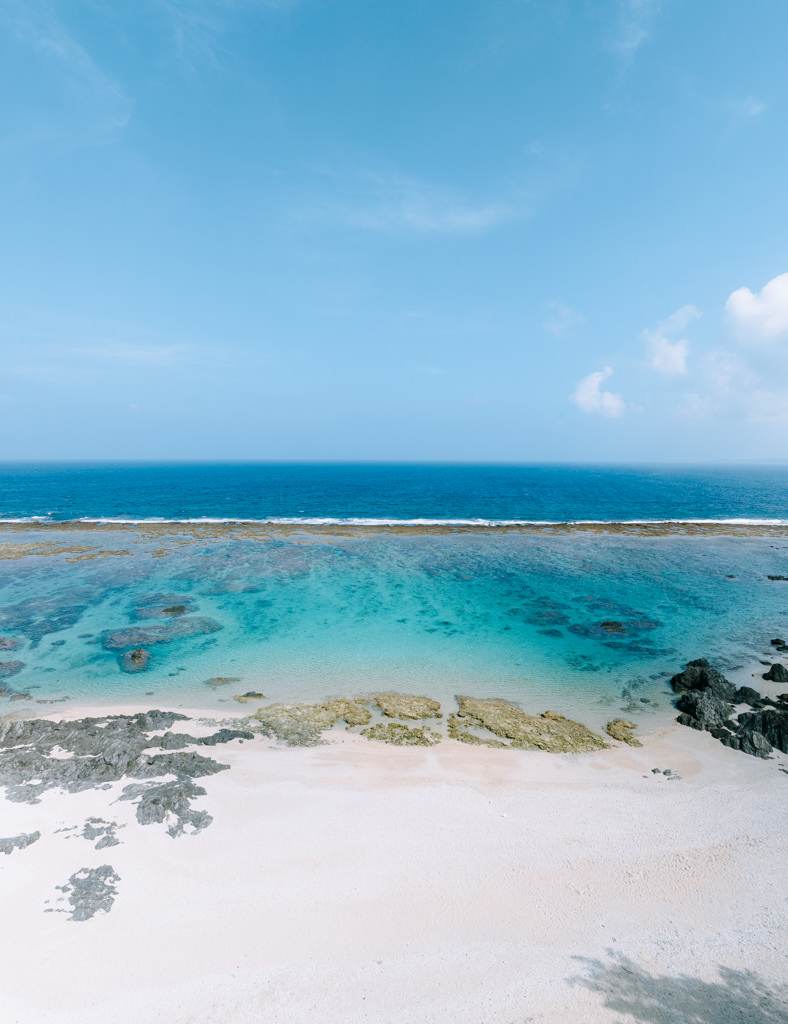
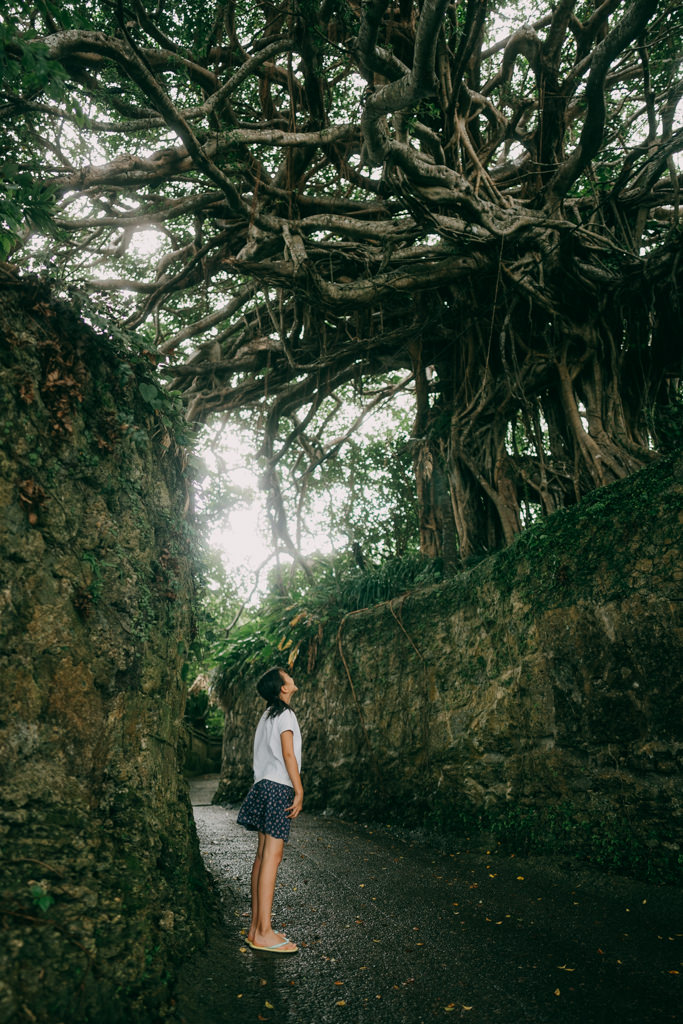
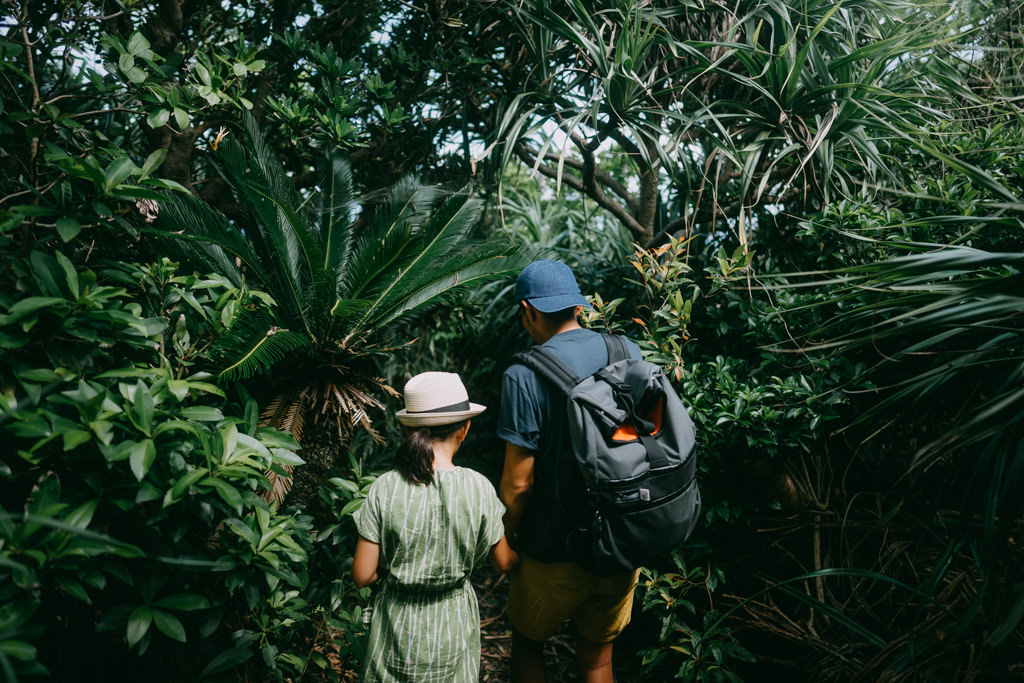
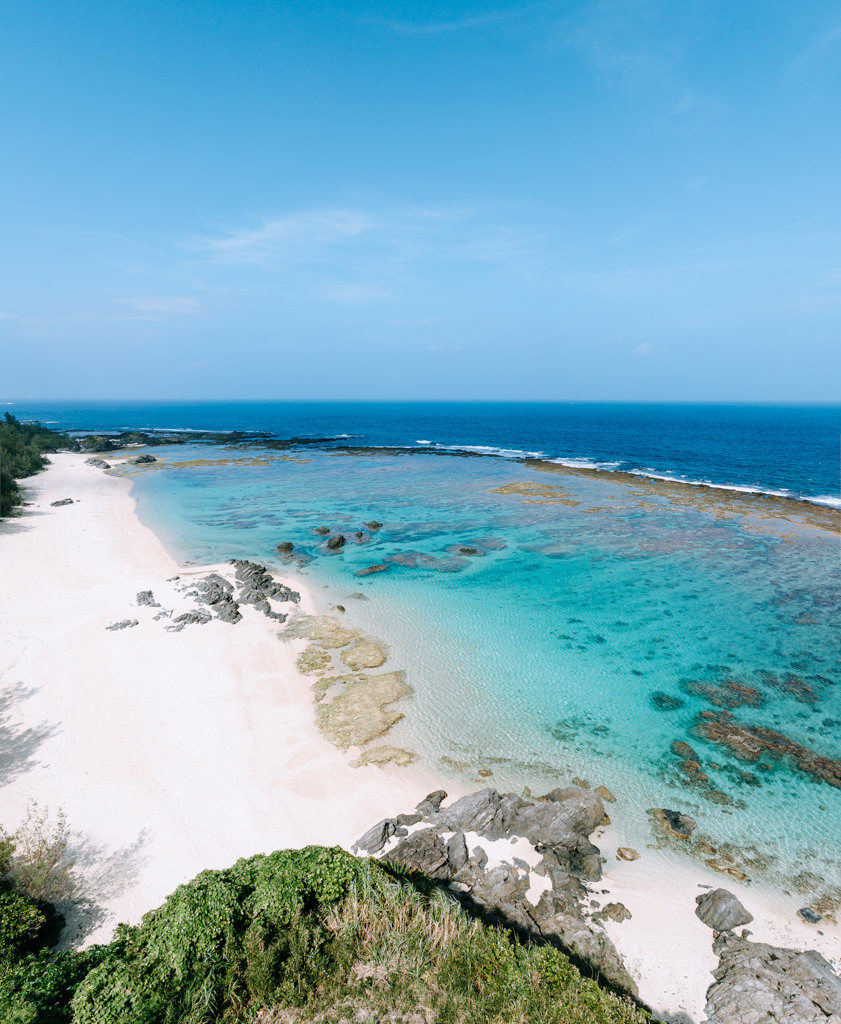
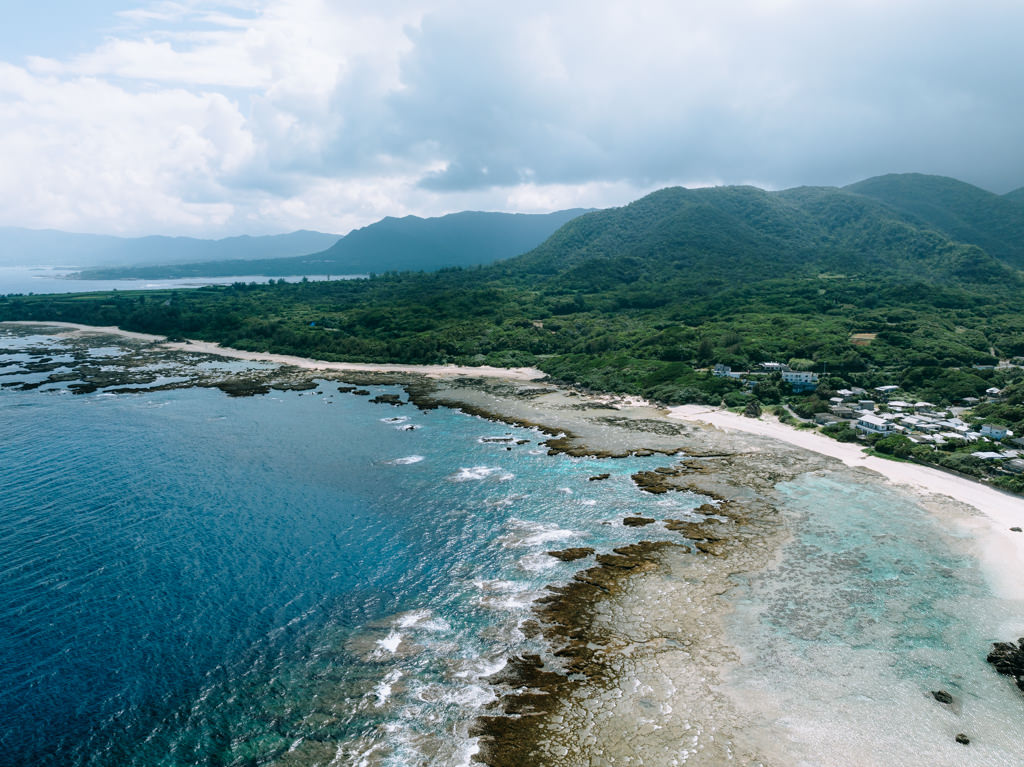
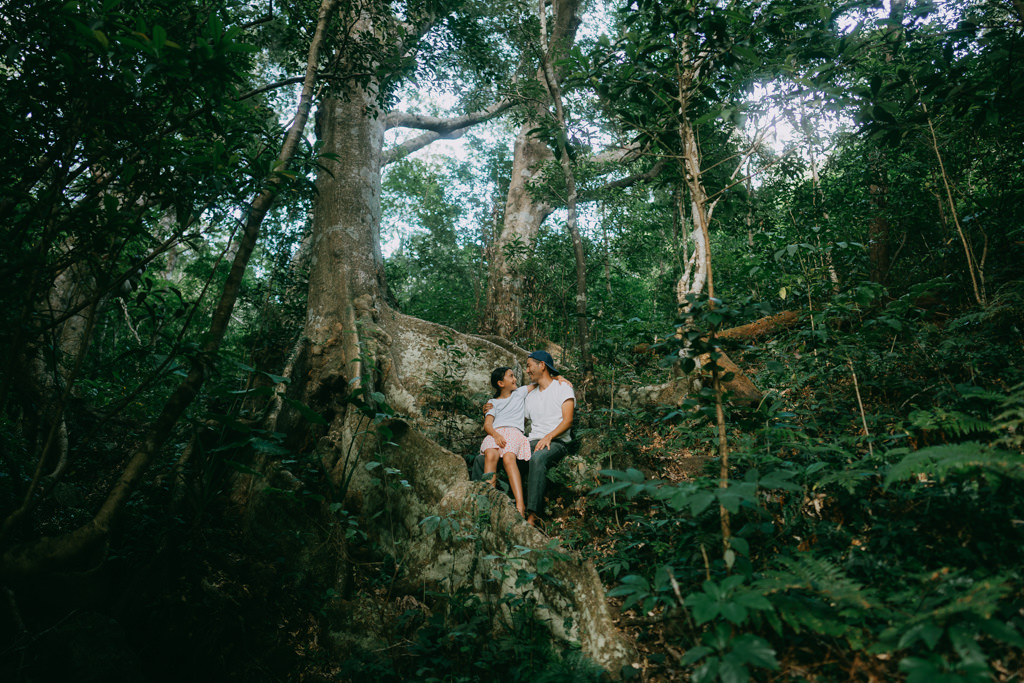
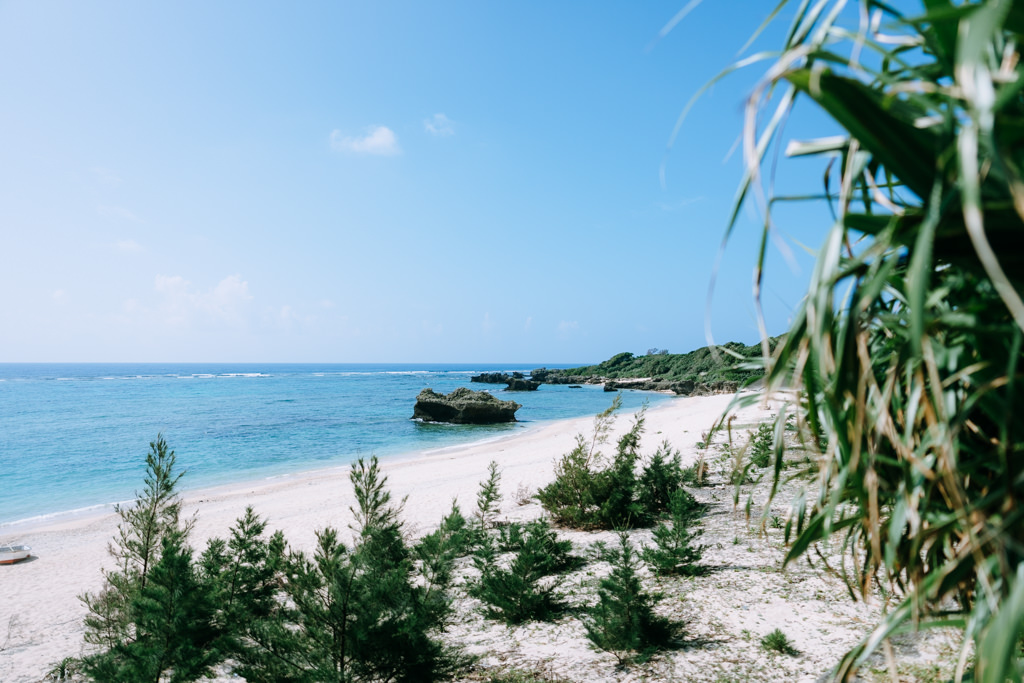
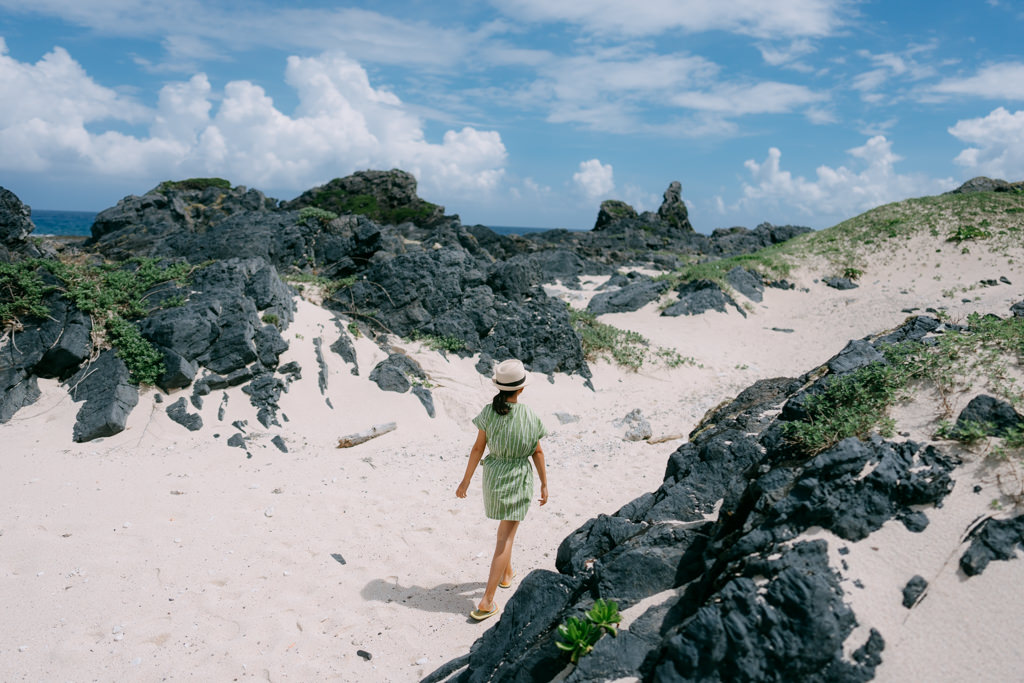
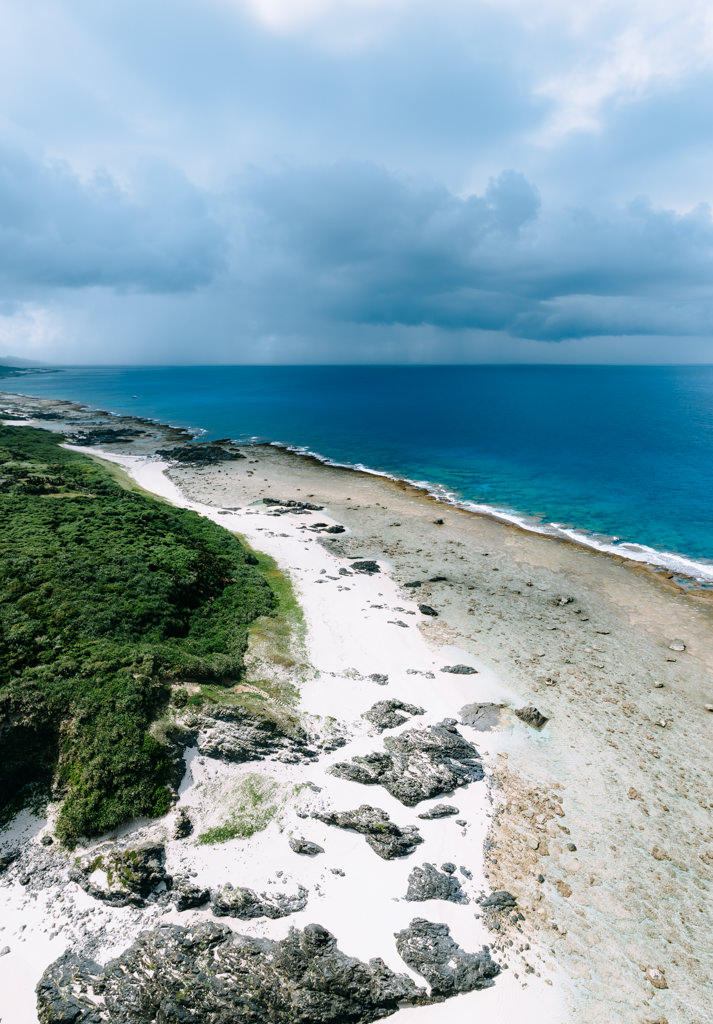
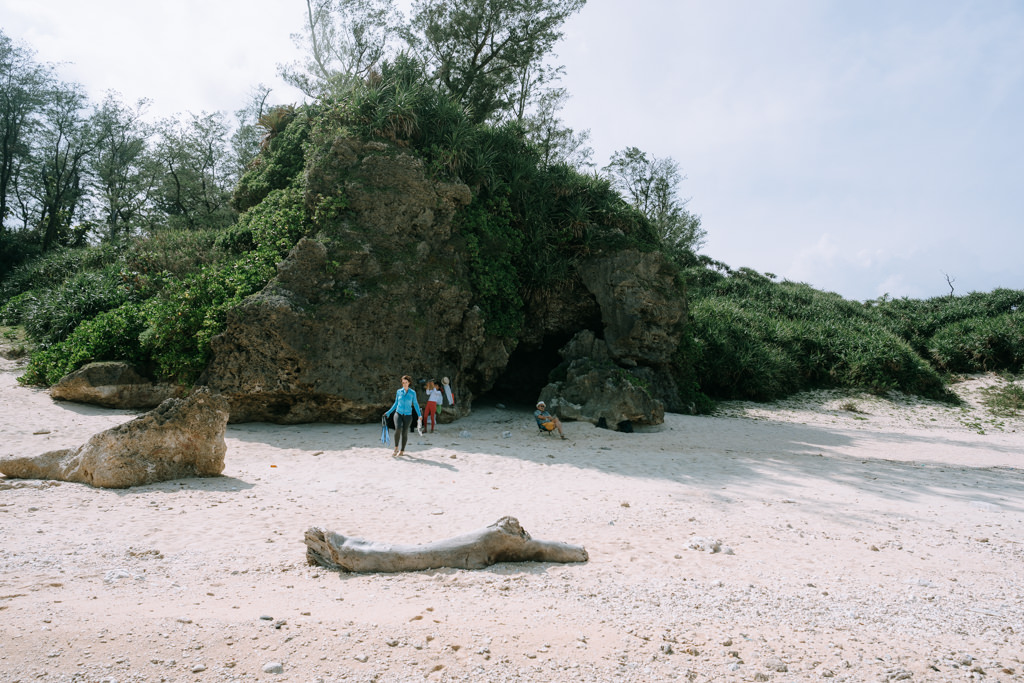
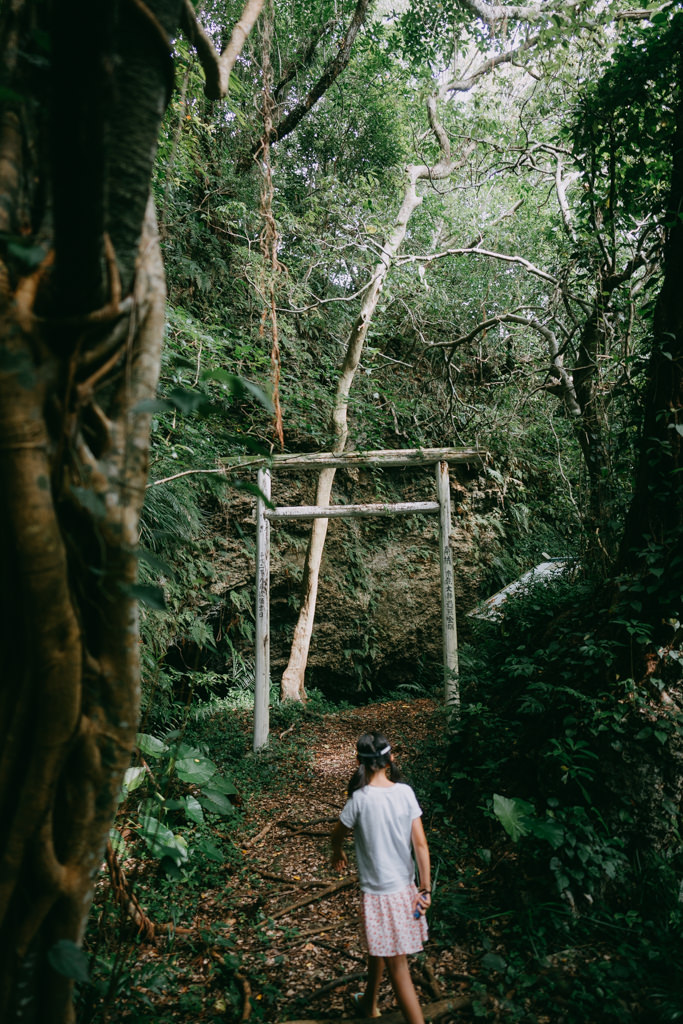
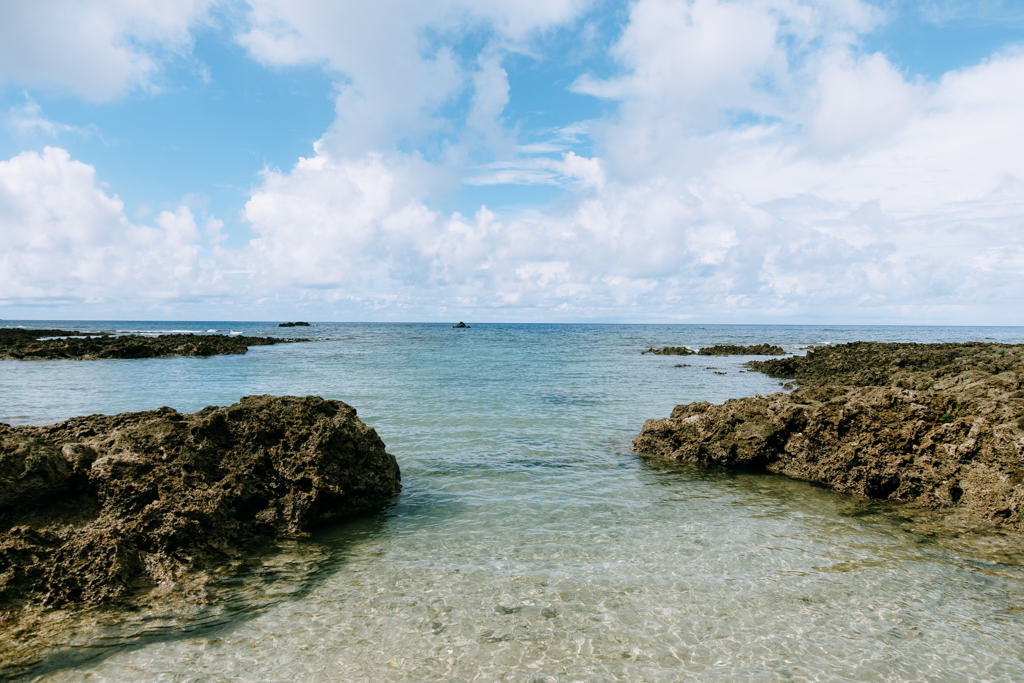
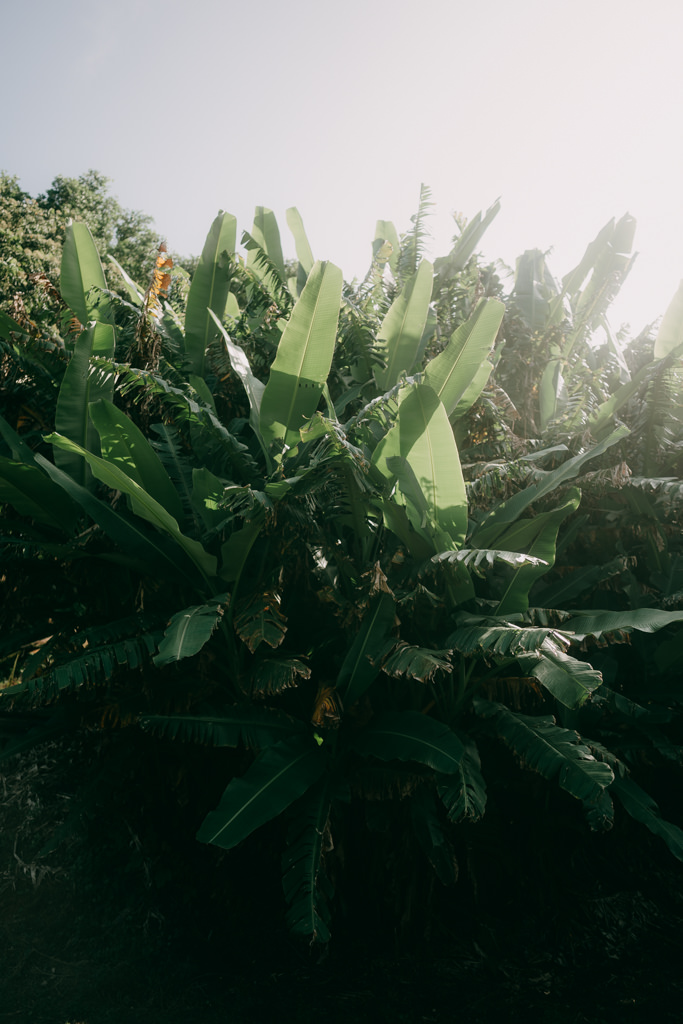
Tokunoshima (also known as Tokuno Island) is one of the Amami Islands in Kagoshima Prefecture. There is no wonder why a large part of Tokunoshima became a UNESCO’s World Natural Heritage site. Tokunoshima is fringed by beautiful coral reefs with many sea turtles, unique topography with numerous underwater limestone rivers connected to the sea (incl. Japan’s largest), and primeval subtropical rainforest with many endemic species. Many of Tokunoshima’s beaches are important nesting sites for two types of sea turtles (Green sea turtles and Loggerhead sea turtles). Hundreds of sea turtles come to lay eggs on Tokunoshima every year.
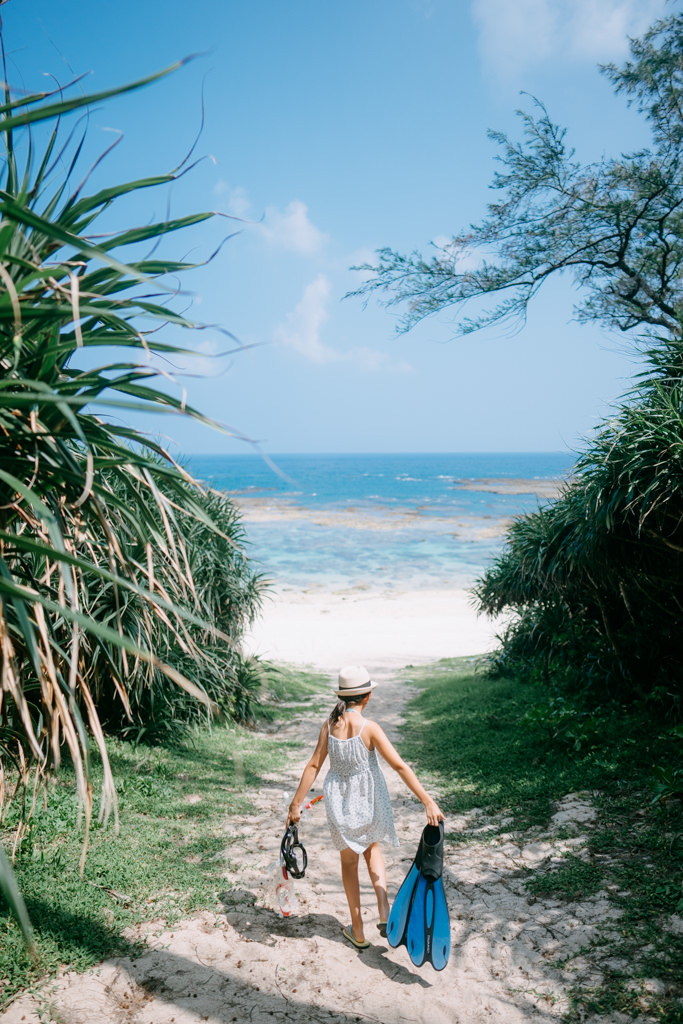
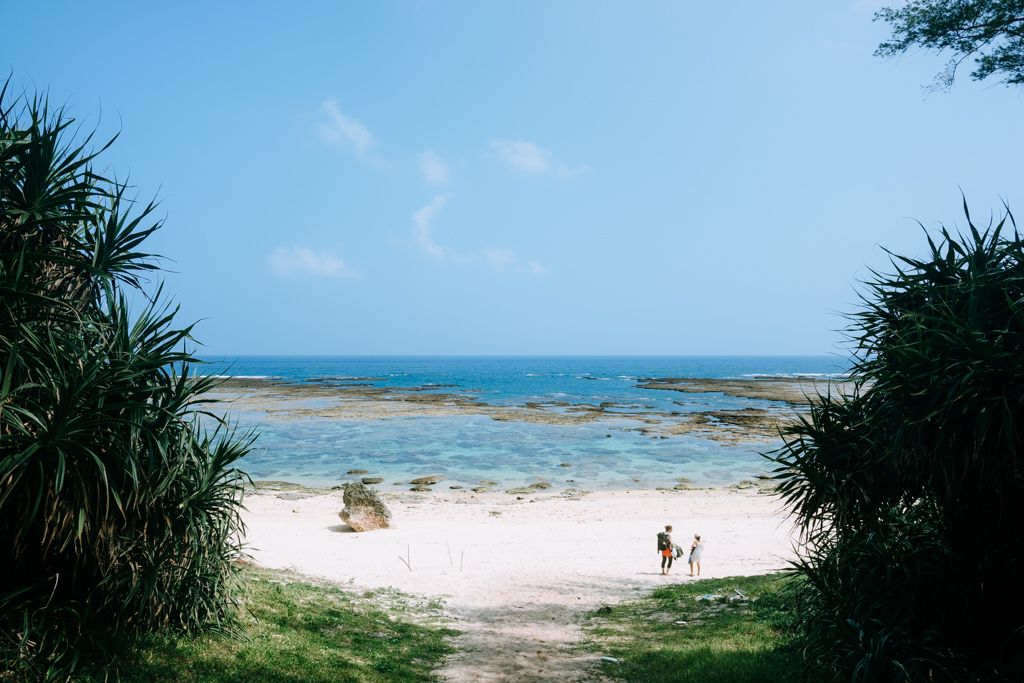
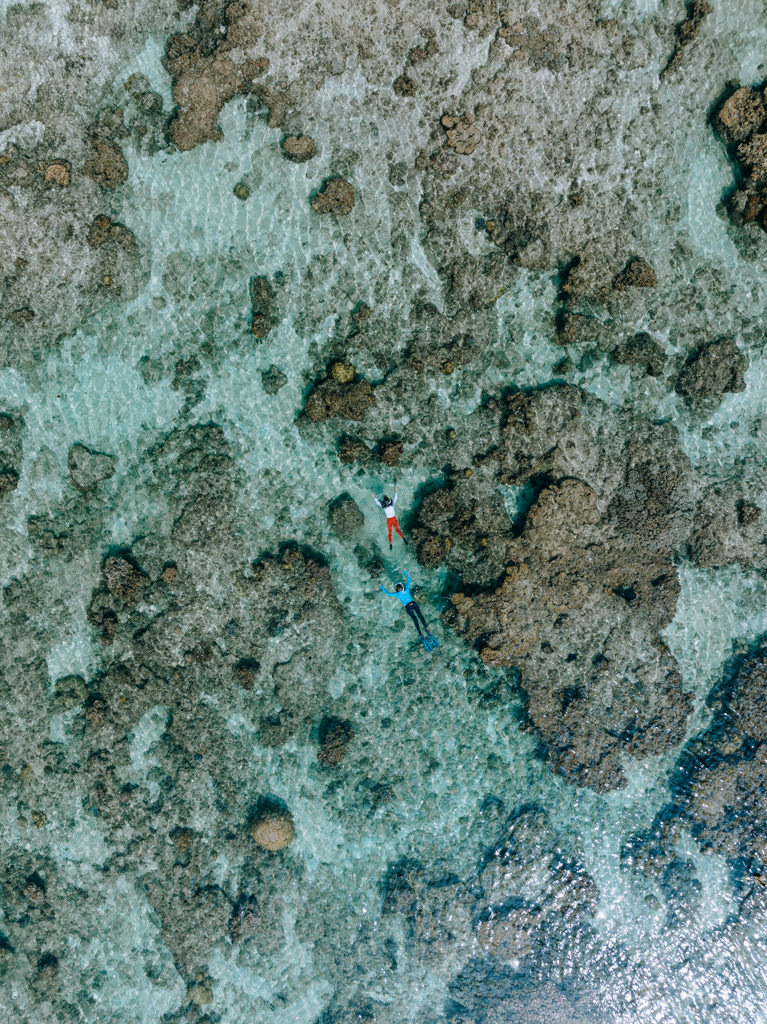
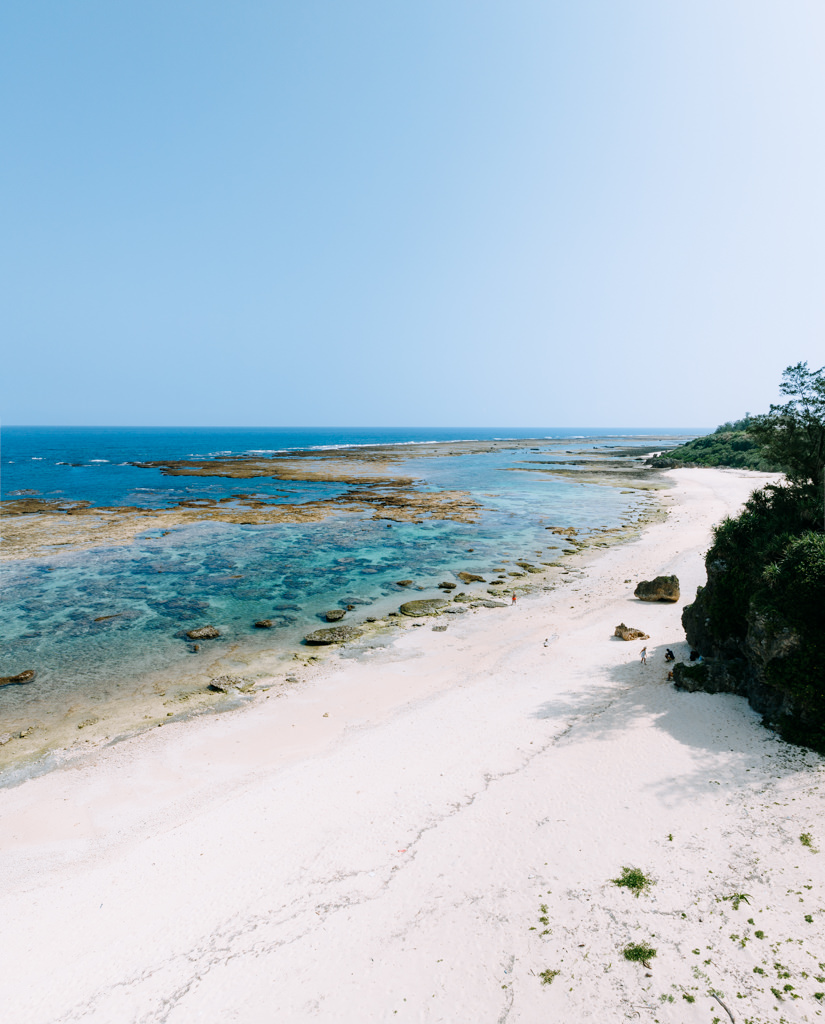
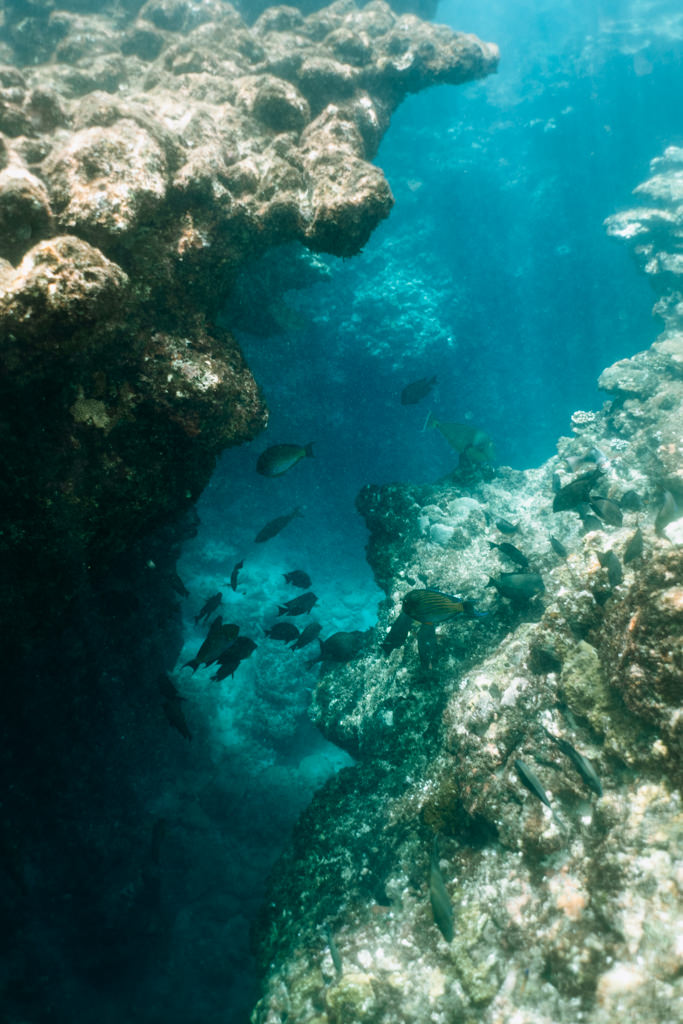
Tokunoshima has many great off-the-beach snorkeling spots. Our favorite is Senma Coast, which has a dynamic sheer drop-off incredibly close to the shore, with many sea turtle residents and beautiful tropical fish. It’s often said to be impossible not to spot sea turtles at this point. Shinde Beach is great for small kids at low tide as the lagoon has plenty of marine life and soft coral. The drop-off just outside the lagoon of Shinde Beach is also abundant with sea turtles. Shinde Beach is one of the most important nesting sites for sea turtles on Tokunoshima.
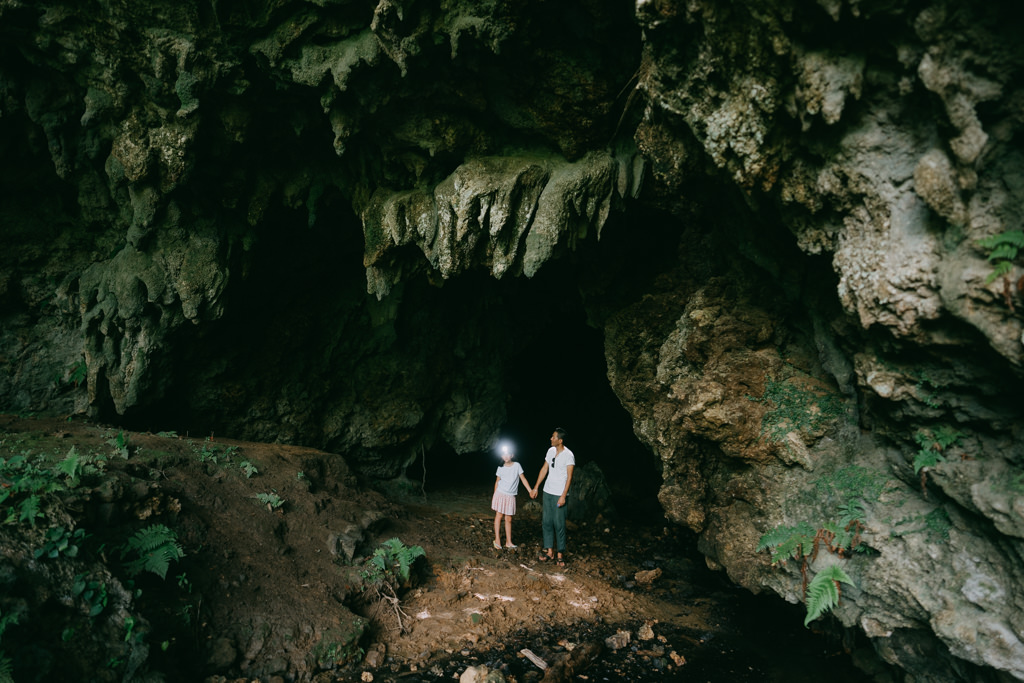
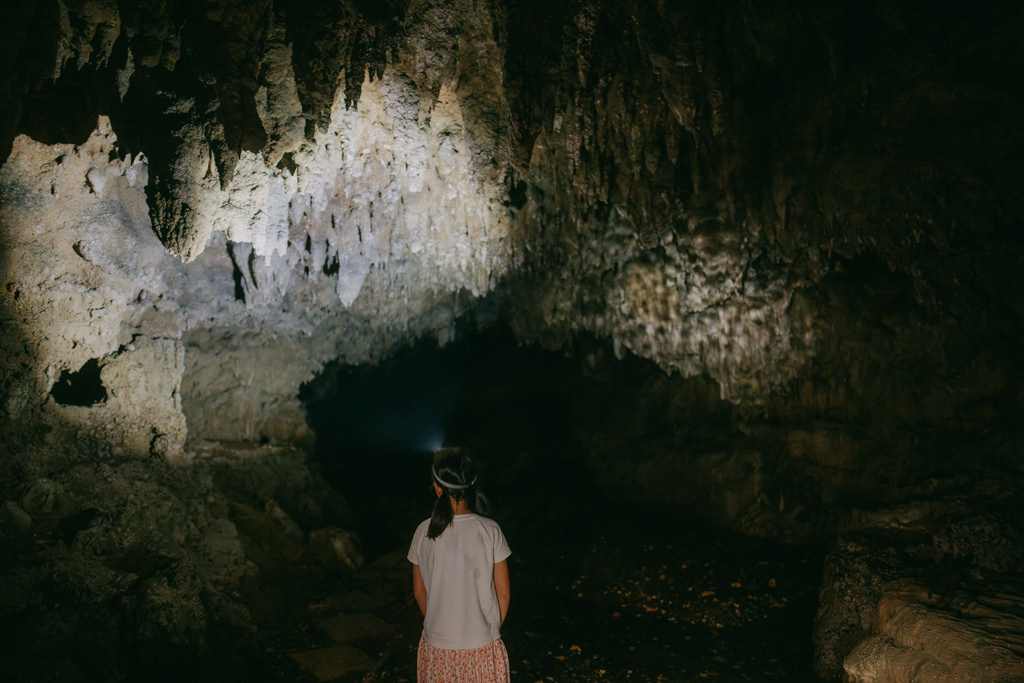
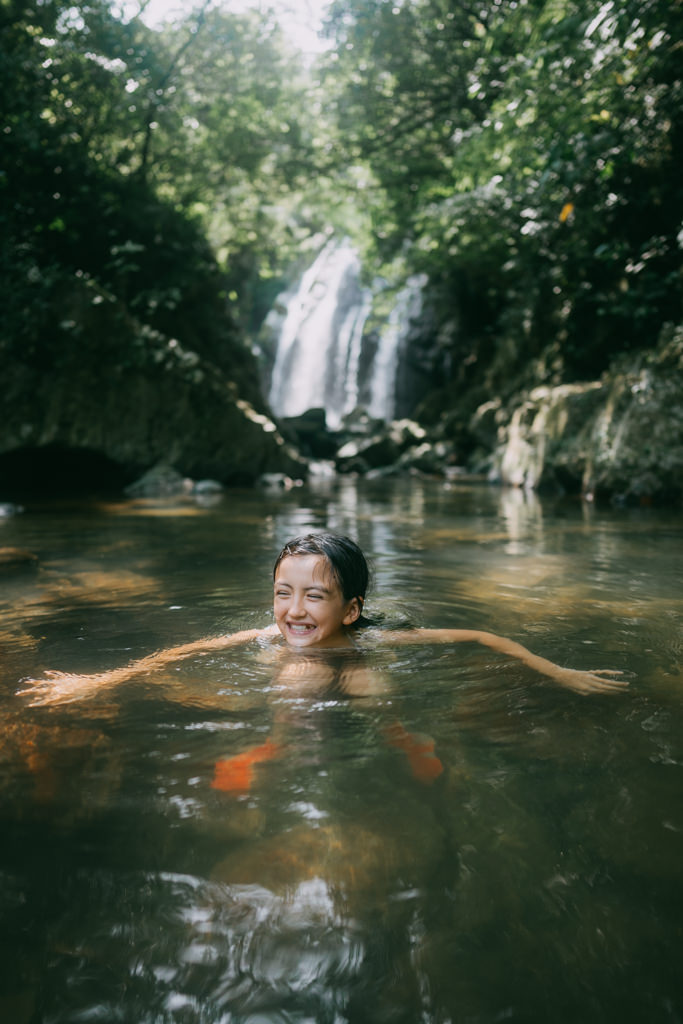
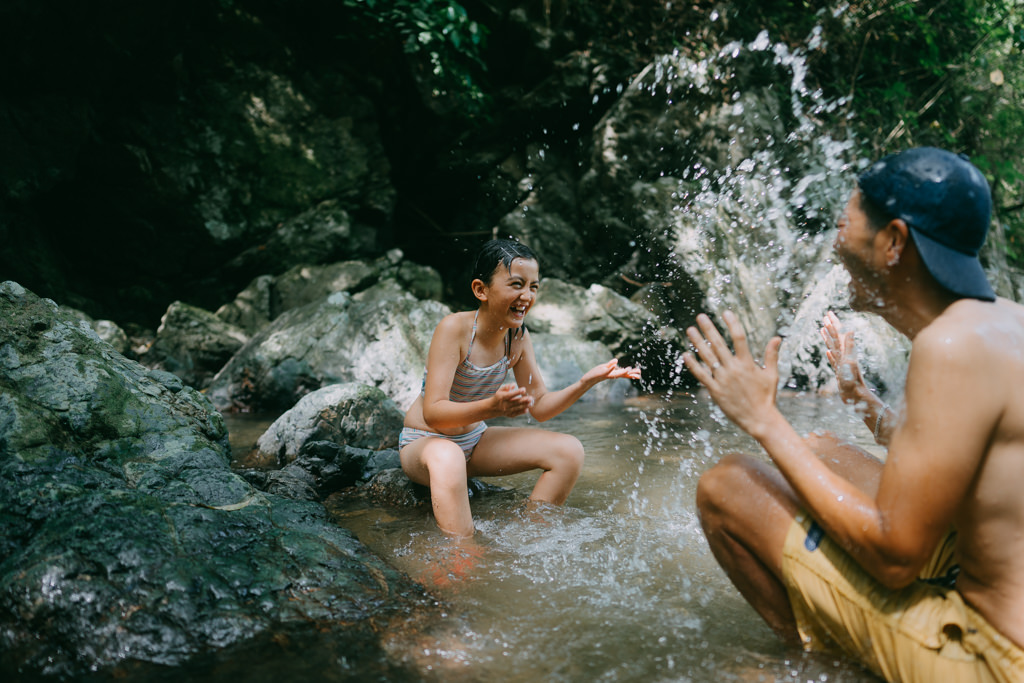
Tokushima is also known for numerous underground limestone rivers which are connected to the sea such as Unbuki. You can also visit some of the limestone caves yourself such as Yooki Cave (where people lived inside until about 1,000 years ago), Ginryudo and (Kojima Limestone Cave) which leads to an opening in the sheer cliff facing the sea after walking through a waterfall inside a pitch-dark cave.
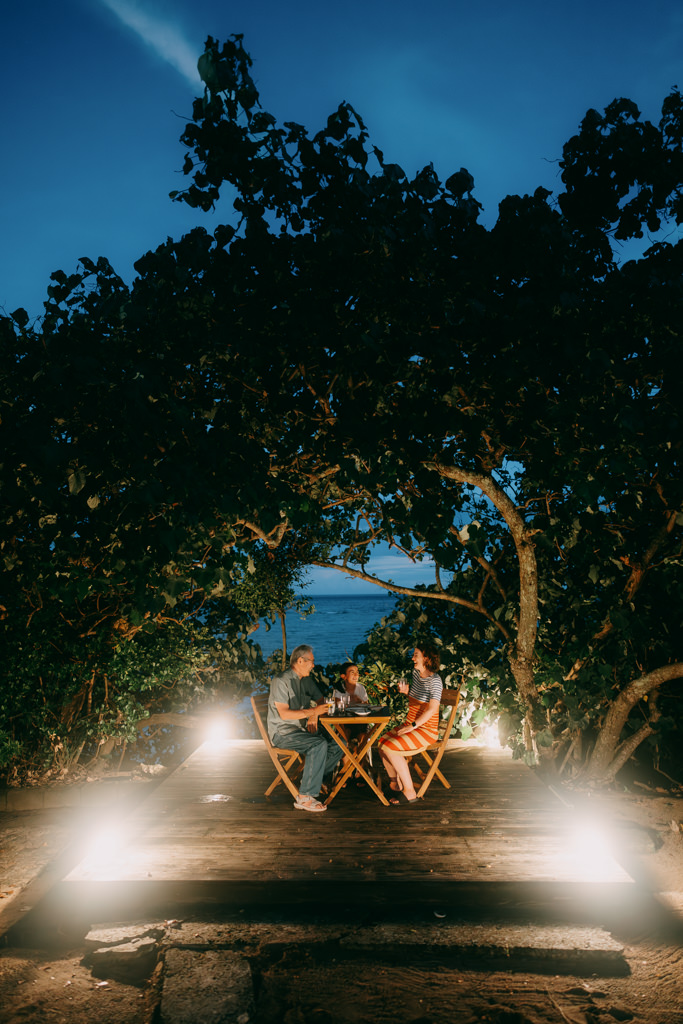
Our favorite restaurants on Tokunoshima so far are Cafe Tougura (you can often see Humpback whales from the cafe in February) and Maru Hachi.
PrefectureKagoshimaSize248 sq kmPopulationApproximately 27,000AccessA flight from Kagoshima takes about 1 hour. A flight from Amami Oshima takes about 30 mins. A flight from Okinoerabu takes about 30 mins. A ferry from Amami Oshima takes about 3.5 hours. There are also ferries from the other islands of the Amami Islands.Getting aroundCar rental